 Save to Pinterest
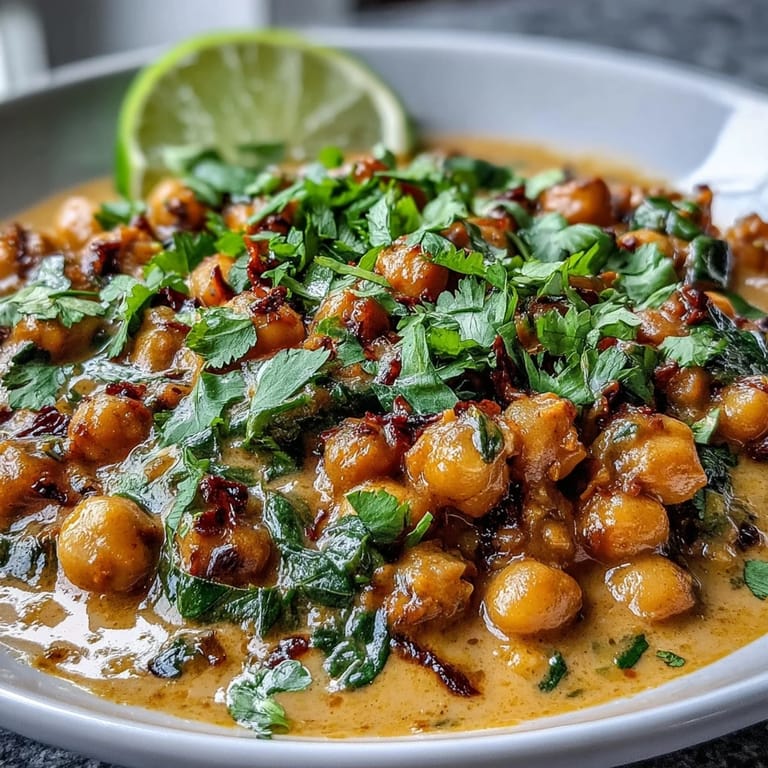
 There's something magical about the moment when spices hit hot oil and your kitchen transforms into something fragrant and alive. I discovered this chickpea curry on a grey Tuesday afternoon when I had nothing in my pantry except cans and desperation, yet somehow ended up with something so warming that my roommate asked for the recipe before finishing her bowl. The beauty of this dish is how it comes together in under an hour, turning humble pantry staples into something that tastes like you've been simmering it all day. It's become my go-to when I want comfort food that doesn't require a shopping trip or complicated technique.
I made this for my friend who'd just mentioned wanting to cook more plant-based meals, and watching her face light up when she tasted it—that exact moment when she went quiet and then immediately asked for seconds—reminded me why cooking matters. She brought it to a potluck the following week and came back saying three people wanted her to teach them how to make it, which made me laugh because she'd only made it once. That's when I realized this curry isn't just easy; it's the kind of dish that makes you feel capable in the kitchen, like you've unlocked something.
Ingredients
- Vegetable oil: Use something neutral like canola or vegetable oil so the spices become the star rather than competing with a strong oil flavor.
- Onion and garlic: These form your aromatics base and they need time to soften—rushing this step means the sauce tastes sharp instead of rounded.
- Ginger: Fresh ginger makes all the difference; ground ginger tastes bitter by comparison, so don't skip the fresh piece even if you have to grab it from the store.
- Ground cumin: This is the backbone spice, warm and earthy, so make sure yours is relatively fresh since it loses potency sitting in your cabinet.
- Ground coriander: Works as a gentle counterbalance to cumin, adding a subtle sweetness that most people can't identify but definitely notice.
- Turmeric: Beyond color, this brings an almost metallic earthiness that makes the dish feel authentic—don't skimp on the amount.
- Garam masala: The heart of the spice blend; if yours is old, the curry will taste flat, so consider it worth replacing every few months.
- Chili powder: Start with the smaller amount because you can always add more heat, but you can't take it back.
- Paprika: Adds a gentle smokiness and visual warmth without overpowering the other spices.
- Chickpeas: Canned chickpeas work perfectly here—rinsing them removes excess starch and prevents the curry from becoming gluey.
- Coconut milk: Full-fat is essential because the fat carries all the flavor; lite coconut milk makes everything taste thin and watery.
- Diced tomatoes: Use canned for consistency; fresh tomatoes release too much liquid and change the cooking time unpredictably.
- Vegetable broth or water: This controls the final consistency, so use broth if you have it for deeper flavor.
- Baby spinach: Adds nutrition and a slight earthiness; it wilts down dramatically so don't be shy with the amount.
- Lime juice: Fresh lime wakes up all the spices at the end, making the curry taste brighter than you'd expect from the ingredients.
- Cilantro: Not just garnish—it echoes the flavor profile of the spices and makes each bite feel intentional and complete.
Tired of Takeout? 🥡
Get 10 meals you can make faster than delivery arrives. Seriously.
One email. No spam. Unsubscribe anytime.
Instructions
- Heat your oil and build your base:
- Pour the oil into your skillet and let it shimmer for a moment before adding the diced onion, then wait as it softens and turns translucent around the edges—this takes about 4 to 5 minutes and you'll hear the sizzle change pitch as the onion releases its moisture and sweetness.
- Awaken the aromatics:
- Once the onion is soft, add the garlic and ginger and stir constantly for just one minute; you're not cooking them, you're releasing their oils so the kitchen smells alive and the flavors bloom.
- Toast your spices:
- Add all the spices at once and stir them into the oil for exactly one minute—this is crucial because you're lightly cooking them to release their essential oils and deepen their flavor without burning them.
- Build the curry:
- Pour in the chickpeas, tomatoes with their juice, coconut milk, and broth, stirring everything together until it looks unified and rich.
- Let it simmer gently:
- Bring it to a gentle bubble, cover it loosely, and let it cook for 15 minutes, stirring occasionally so nothing sticks to the bottom and the flavors meld.
- Finish with greens:
- If you're using spinach, add it now and let it wilt for 2 to 3 minutes until it disappears into the sauce and adds its subtle earthiness.
- Brighten with lime:
- Squeeze the lime juice directly into the curry and taste—it should make you pause for a moment because suddenly everything tastes more vibrant and complex than it did a few seconds before.
- Season and serve:
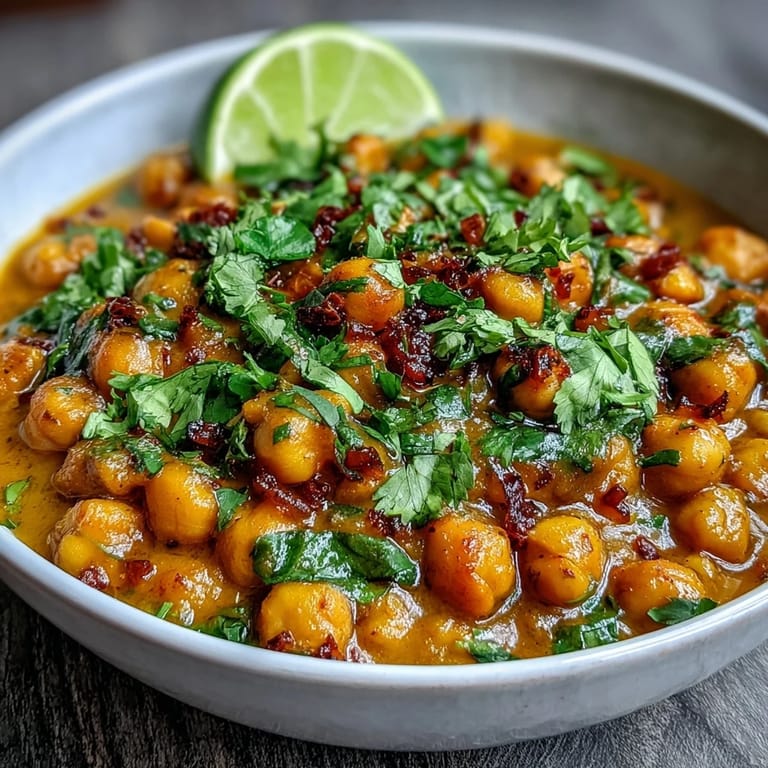
- Taste and adjust the salt, spice, or lime juice until it makes you happy, then serve it hot with fresh cilantro scattered on top and lime wedges on the side.
 Save to Pinterest
 My brother came home from work completely exhausted and sat down to a bowl of this curry, and I watched him eat in almost silent meditation, each spoonful seeming to unknot his shoulders a little more. By the end of the bowl he was actually smiling and talking about his day like the food had given him permission to stop running, which taught me that cooking isn't really about feeding people—it's about creating a moment where they feel cared for.
The Secret to Restaurant-Quality Flavor at Home
The reason restaurant curries taste so rounded and complex is that they've spent time building flavor, and while we can't recreate hours of slow simmering in 40 minutes, we can get close by respecting the aromatics and toasting the spices. I used to think I needed to buy some special ingredient or technique, but the real secret is patience with the first few steps and using full-fat coconut milk—two things that cost nothing extra but change everything. The moment you add the spices to hot oil and let them toast, you're telling yourself you care enough to do it right.
Why This Works as Meal Prep
I started making this on Sunday mornings and portioning it into containers, and by Wednesday when I reheated it, the flavors had settled and deepened in a way that made me prefer day-three curry to fresh curry. The chickpeas absorb the sauce as it sits, becoming almost creamy, and the spices mellow into something more sophisticated than they were on day one. If you're going to make a big batch, do it knowing that time is actually your friend here, making the dish better with each passing day.
Ways to Make It Your Own Without Losing the Soul
This curry is flexible enough to accommodate what's in your kitchen while still maintaining its essential character and warmth. I've added diced sweet potato for sweetness and texture, roasted cauliflower for substance, and bell peppers for brightness, and each variation felt intentional rather than like a compromise. The spice ratio is sturdy enough that you can play with it—add more garam masala for earthiness, more chili powder for heat, or hold back if you're cooking for sensitive palates.
- Try adding diced sweet potato at the same time as the chickpeas so it softens into the sauce and adds natural sweetness.
- If you want extra greens, add kale instead of spinach for a more substantial texture that doesn't disappear completely.
- Coconut yogurt stirred in at the very end creates creaminess and tang that changes the whole character of the final bite.
 Save to Pinterest
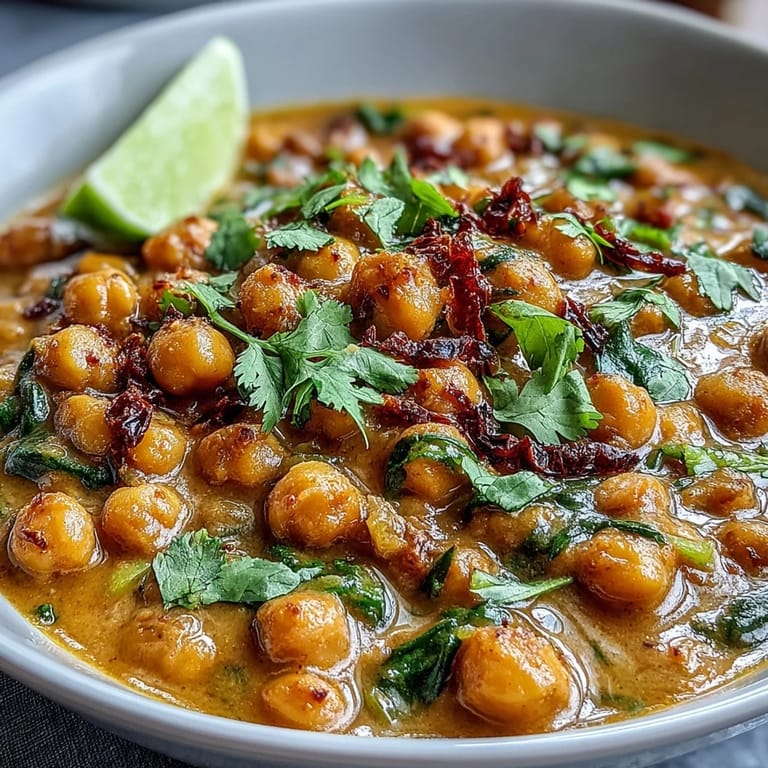
 This curry has become the recipe I make when I want to feed someone I care about but don't have much time, because it proves that delicious food doesn't require hours or expensive ingredients. Every time someone asks for the recipe, I smile because I know they're about to discover that cooking something this good is actually within reach.
Recipe Questions
- → What makes this curry creamy?
Full-fat coconut milk creates the luxurious, velvety texture that coats each chickpea. Simmering the sauce allows the coconut milk to thicken naturally while infusing with the aromatic spices.
- → Can I make it spicier?
Absolutely. Increase the chili powder to 1 teaspoon or add fresh chopped jalapeños when sautéing the onions. You can also serve with hot sauce on the side for customizable heat.
- → What should I serve with it?
Steamed basmati rice or warm naan bread are classic pairings. The mild, fluffy rice balances the bold spices perfectly, while naan is ideal for scooping up every drop of sauce.
- → How long do leftovers keep?
Store in an airtight container in the refrigerator for up to 4 days. The flavors actually deepen and improve overnight. Reheat gently on the stovetop, adding a splash of water if needed.
- → Can I freeze this curry?
Yes, it freezes beautifully for up to 3 months. Cool completely before transferring to freezer-safe containers. Thaw overnight in the refrigerator and reheat slowly on the stovetop.
- → Is this suitable for meal prep?
Perfect for meal prep. The chickpeas maintain their texture well, and the sauce reheats without separating. Make a batch on Sunday and enjoy throughout the week for quick, nourishing meals.