 Save to Pinterest
 The first time I bit into a proper New England lobster roll, I was sitting on a weathered dock in Maine, salt air stinging my face, and suddenly everything clicked. It wasn't fancy or complicated—just sweet, tender lobster nestled in buttery toasted bread—but it tasted like summer itself. That simple meal changed how I thought about cooking: sometimes the best dishes are the ones where every ingredient gets to shine without apology.
I made this for my sister's birthday picnic, and watching people's faces light up as they bit into that first warm roll told me everything. One guest—who swore she didn't really like seafood—went back for seconds and ended up asking me to teach her how to make it. Sometimes food brings people together in ways you don't expect, and this roll does that effortlessly.
Ingredients
- Cooked lobster meat: Buy it already cooked and picked if you can—it saves time and stress, and honestly, a good fishmonger knows how to do it better than most home cooks anyway.
- Mayonnaise: Use real mayo for that classic Massachusetts richness, but don't skip the quality on this one ingredient—it matters.
- Lemon juice: Fresh squeezed, never from a bottle; it brightens everything and cuts through the richness perfectly.
- Celery: Optional, but adds a quiet crunch that makes people wonder what's different about your version.
- Chives or scallions: These green notes are the secret to keeping the roll from tasting heavy—they're like a whisper of freshness.
- Brioche rolls: Look for split-top rolls with real butter in them; cheap rolls will fall apart and ruin the whole experience.
- Butter for toasting: Unsalted so you control the salt, and softened so it spreads easily without tearing the delicate bread.
Tired of Takeout? 🥡
Get 10 meals you can make faster than delivery arrives. Seriously.
One email. No spam. Unsubscribe anytime.
Instructions
- Gently toss the lobster:
- In a bowl, combine your lobster with mayo (or melted butter if you're going Connecticut-style), lemon juice, celery, and chives. Use a light hand—you want distinct, tender pieces, not a chunky paste.
- Toast the rolls:
- Butter the sides of each brioche roll and place them cut-side up in a warm skillet. Watch them carefully; brioche browns fast and can burn if you blink.
- Get the color right:
- Both sides should be golden and crispy, about a minute or two per side, and the butter should smell nutty and warm when you pull them off the heat.
- Fill while warm:
- Stuff each toasted roll generously with the lobster mixture right away—the warm bread and cool lobster create this perfect contrast.
- Finish with care:
- A sprinkle of fresh parsley adds color and a hint of herbal freshness; serve immediately with lemon wedges for squeezing.
 Save to Pinterest
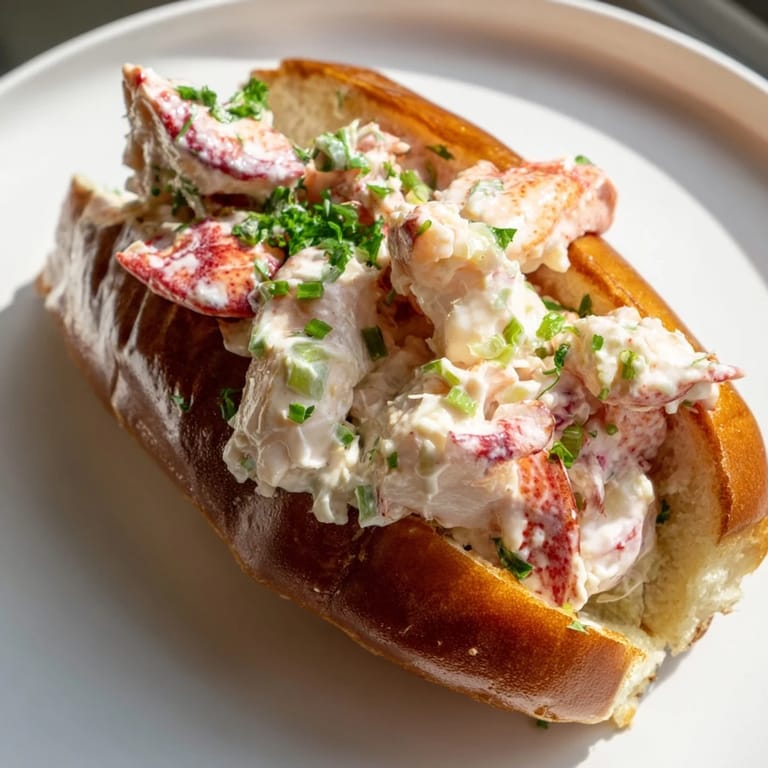
 There's a moment when you're biting through the crispy toasted exterior into the warm, buttery interior, and then you hit that sweet, succulent lobster—that's when you realize this simple roll is actually perfect. It reminded me why coastal food doesn't need to be complicated to be memorable.
The Mayo vs. Butter Debate
I've made this both ways, and honestly, they're different dishes entirely. The mayo version is creamy and rich, perfect for a picnic or lunch—it feels luxurious but approachable. The Connecticut style with warm melted butter is pure, almost austere elegance; the butter soaks into the toasted bread and the lobster's natural sweetness comes through louder. Neither is wrong; it just depends on what mood you're in and what time of day it is.
Sourcing Your Lobster
The real magic here lives or dies with your lobster. Ask your fishmonger if the lobster was cooked today, smell it to make sure it's sweet and briny (not fishy), and don't be shy about asking questions. Pre-picked lobster meat is convenient, but if you can get a whole cooked lobster and pick it yourself, you'll notice a difference in texture and flavor. The meat stays more tender and the flavor cleaner.
Building Your Perfect Roll
The assembly matters more than you'd think. Toast your rolls so they have structure but haven't dried out; fill them generously so every bite has lobster; and serve immediately while everything's still warm enough to matter. The brioche should be warm, the lobster cool and tender, and the lemon wedges ready for anyone who wants to squeeze a little brightness over the top.
- If the roll starts to fall apart while eating, that means it wasn't toasted enough or the bread quality wasn't there—next time, go for a better roll or toast it longer.
- Leftover lobster mixture keeps in the fridge for a day, but don't make the full roll ahead; assemble it fresh when you're ready to eat.
- Serve alongside something simple like kettle chips or coleslaw, or nothing at all if you want the lobster roll to be the star.
 Save to Pinterest
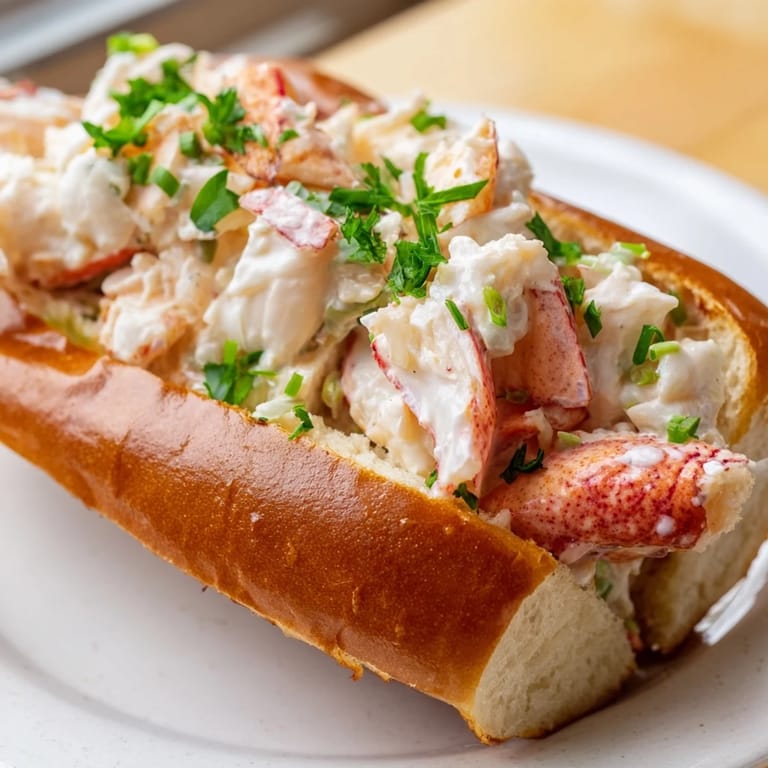
 This roll proves that sometimes the best meals are built on respect for your ingredients and knowing when to stop tinkering. Make it, eat it outside if you can, and let the simplicity be the whole point.
Recipe Questions
- → What type of lobster meat is best for this dish?
Chopped claw, knuckle, and tail meat provide the best texture and flavor for a balanced filling.
- → Can I substitute mayonnaise with other ingredients?
Yes, melted unsalted butter offers a warmer, richer alternative, especially in the Connecticut style.
- → How should the rolls be prepared?
Spread softened butter on split-top brioche rolls and toast them in a skillet until golden brown on both sides.
- → Are there optional seasonings to enhance the flavor?
Adding a pinch of Old Bay seasoning or a dash of hot sauce can introduce extra depth and spice.
- → What sides pair well with this dish?
Kettle-cooked potato chips or coleslaw complement the lobster filling and add texture contrast.