 Save to Pinterest
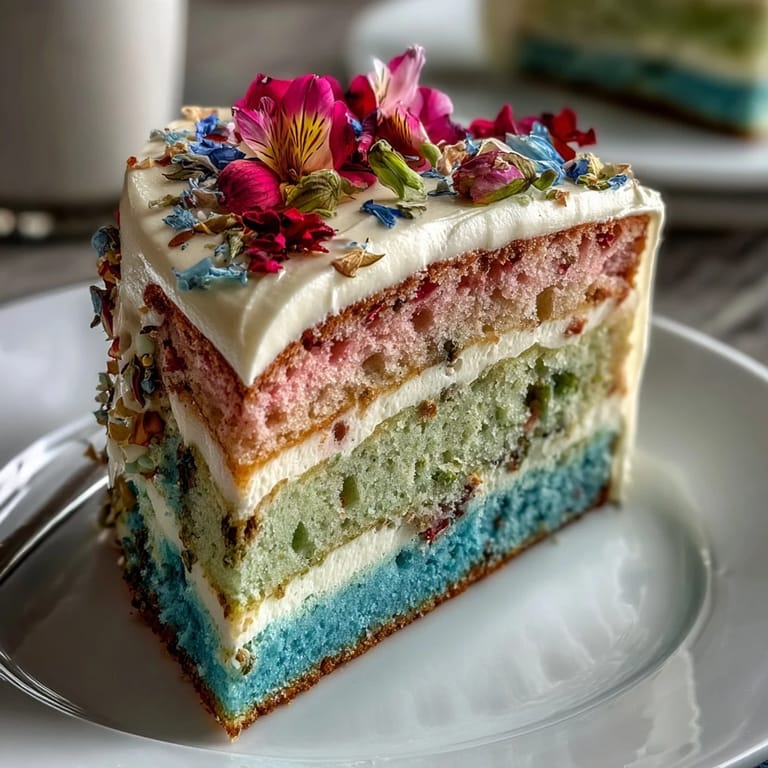
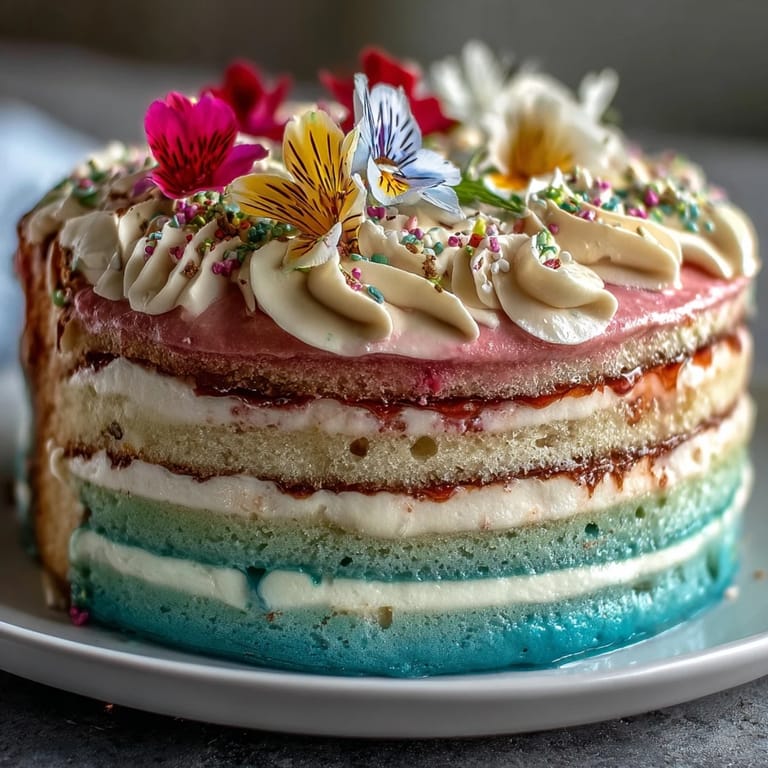
 The first time I attempted an ombre cake, my kitchen looked like a pastel explosion and I grinned at the sight of colored spatulas lining up on the counter. Baking on a crisp spring morning, I caught the faint scent of butter mingling with vanilla, and felt a tiny thrill as each cake layer emerged from the oven a perfect shade lighter than the last. Somewhere between whipping up frosting and choosing edible flowers, my cat tried to swipe a viola meant for the top, so I had to explain (as if he understood) that these were for guests, not pets. It’s the kind of recipe that rewards patience and playfulness—both in equal measure. You’ll find yourself glancing from the mixer to your palette of colors, as if painting instead of baking.
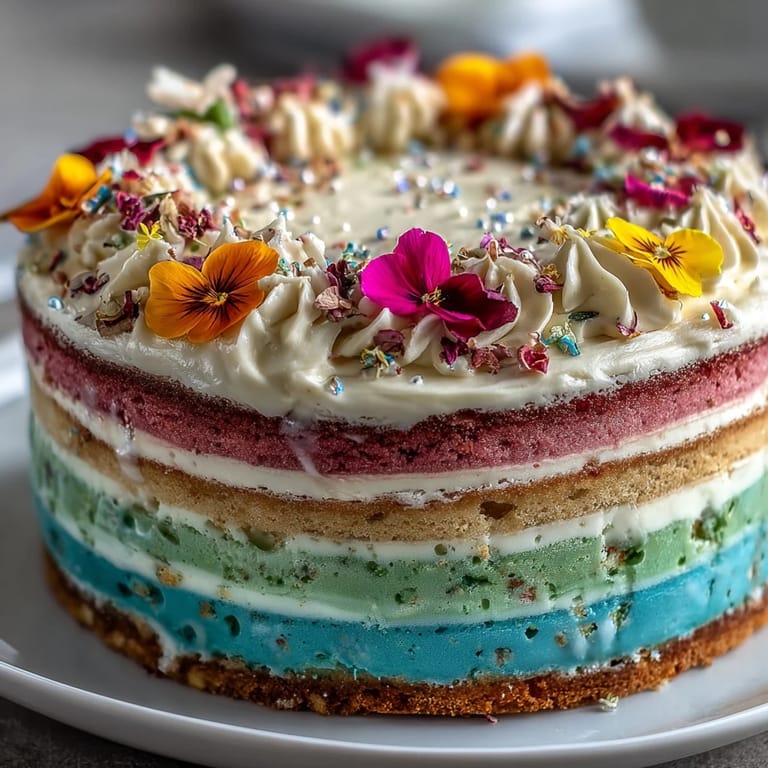
Last spring, I baked this Pastel Ombre Spring Cake for my friend’s garden brunch, and soon the kitchen filled with laughter and streaks of colored buttercream on elbows. As we arranged the edible flowers, guests wandered in, curious about the floral scents drifting from the cooling racks. Someone suggested adding chamomile to the top, and it became the highlight of the day. Even the youngest guest admired the ombre layers like a watercolor painting. That afternoon, the cake was sliced as the sun slipped behind blooming trees outside.
Ingredients
- All-purpose flour: I sift this to keep the cake tender and ensure even blending with the baking powder.
- Baking powder: Essential for a good rise—measure carefully for layers that are light as air.
- Baking soda: Just a touch, it helps balance acidity and color stability.
- Salt: I prefer fine sea salt to sharpen the flavors, but table salt works in a pinch.
- Unsalted butter: Room temperature butter integrates smoothly, making sure the cake batter is luxuriously creamy.
- Granulated sugar: Whipping sugar and butter until fluffy is a key step for delicate crumb.
- Eggs: Room temperature eggs create structure and moisture—crack each in one at a time for best results.
- Pure vanilla extract: Vanilla brings gentle warmth, so don’t skimp.
- Whole milk: Room temp milk is crucial; cold milk can upset the batter emulsion.
- Gel food coloring: Gel colors deliver vivid pastels without watering down batter or frosting—add gradually and check under natural light for true color.
- Powdered sugar: I sift this to avoid lumps in buttercream.
- Edible flowers: Only use organic, edible blooms—I learned to gently dry mine with paper towels to avoid soggy petals on top.
Tired of Takeout? 🥡
Get 10 meals you can make faster than delivery arrives. Seriously.
One email. No spam. Unsubscribe anytime.
Instructions
- Prep the Cake Pans:
- Line three round cake pans with parchment and grease thoroughly, making sure corners are covered—it’s my insurance against sticking disasters.
- Mix the Dry Ingredients:
- Whisk together flour, baking powder, baking soda, and salt in a medium bowl; the mixture should look airy and uniform.
- Cream Butter and Sugar:
- Beat butter and sugar on high until pale, fluffy, and smelling sweet, pausing to scrape the bowl for even mixing.
- Add Eggs and Vanilla:
- Crack eggs in one at a time, letting each vanish before adding the next, then stir in vanilla for that comforting aroma.
- Combine Wet and Dry:
- Alternate flour and milk in thirds, folding gently after each addition—don’t overmix, just watch for a soft, velvety batter.
- Tint and Divide Batter:
- Split batter into three bowls, swirling each with pastel gel colors; I always start light and add color little by little.
- Bake:
- Pour each color into separate pans and bake until golden and a toothpick comes out clean, about 25–30 minutes.
- Cool Layers:
- Cool cakes in pans, then turn onto wire racks; the colors deepen slightly as they cool.
- Make Buttercream:
- Whip butter until creamy, then add sifted powdered sugar, vanilla, and milk; divide and tint with pastel shades so each portion is ready for ombre layering.
- Assemble Layers:
- Level each cake, place the first layer on your stand, and spread pastel buttercream; repeat and apply a crumb coat before chilling to lock in crumbs.
- Ombre Frosting:
- Frost the cake, blending shades as you go; use an offset spatula and cake turntable if available for a smooth gradient.
- Add Floral Topper:
- Arrange edible flowers gently on top just before serving, pressing lightly so petals stay fresh and vibrant.
 Save to Pinterest
 I remember the quiet delight of watching friends marvel at the cake before slicing it—everyone paused for a second to admire the springy colors and floral top, almost reluctant to disturb the beauty. For a brief moment, the dessert felt like the centerpiece of the celebration and brought a little magic to an ordinary afternoon.
How to Choose Edible Flowers
I’ve learned to order flowers in advance from trusted suppliers and check that each variety is organic and truly safe for eating, since not all pretty blooms are edible. If you harvest from your garden, confirm varieties like pansies, violas, roses, and chamomile; rinse gently and pat dry, so they’re vibrant and not wilted when set atop the cake.
Perfecting the Ombre Buttercream
A trick that changed my buttercream game: tinting frosting in daylight gives you a truer pastel that looks seamless when blended. Use a bench scraper to softly blend between hues, and smooth with an offset spatula for the layered effect—don’t stress about perfection, gentle gradients always charm.
Shortcuts and Variations
If you want to save time, prep cake layers the day before and wrap tightly; assemble and frost fresh to keep colors bold. A vegan version swaps butter, milk, and eggs for plant-based alternatives, and you can mix up pastel colors according to the party theme or mood.
- A touch of lemon zest in the batter adds gentle citrus brightness.
- Be sure to sift powdered sugar for extra smooth buttercream.
- Double check flowers for allergies and organic certification before using.
 Save to Pinterest
 Once you serve a slice of this ombre cake, don’t be surprised if everyone lingers for a second helping. Spring parties or quiet weekends alike become a little brighter with pastel sweets and edible blossoms.
Recipe Questions
- → How do I achieve ombre layers?
Divide batter or frosting and tint each with gel food coloring, then layer to blend the shades.
- → What flowers are suitable as toppers?
Edible options include pansies, violas, roses, and chamomile. Always confirm organic and edible status.
- → Can I make this dessert vegan?
Substitute butter, milk, and eggs with plant-based alternatives for a vegan-friendly version.
- → Which tools help with cake assembly?
Use three 8-inch cake pans, mixers, spatulas, and a turntable for smooth frosting and layering.
- → How do I store the cake?
Keep finished cake chilled to preserve frosting and flowers. Serve fresh for optimal presentation.
- → Are edible flowers safe for everyone?
Some individuals may be sensitive. Verify flower suitability and allergy information before serving.