 Save to Pinterest
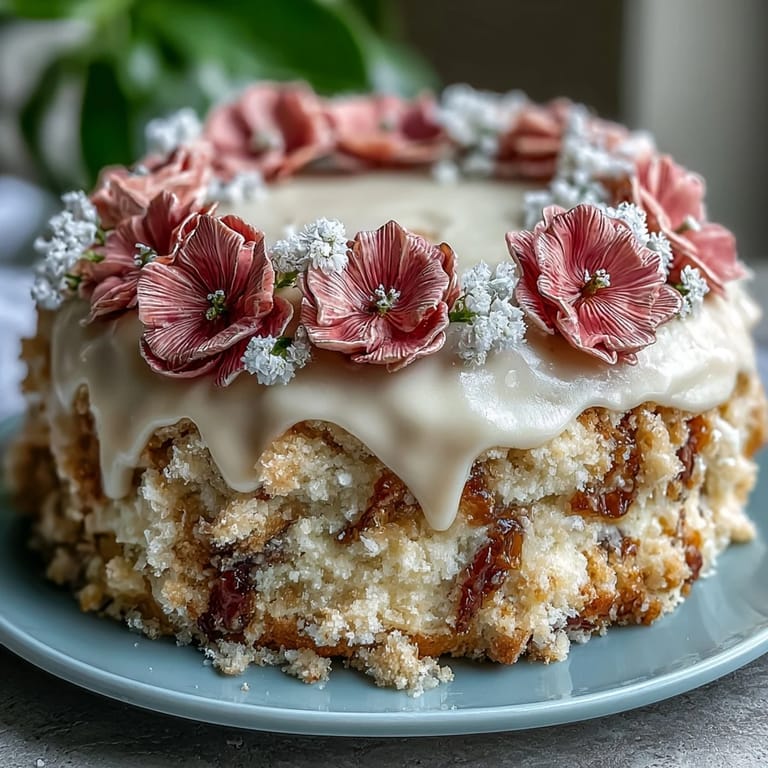
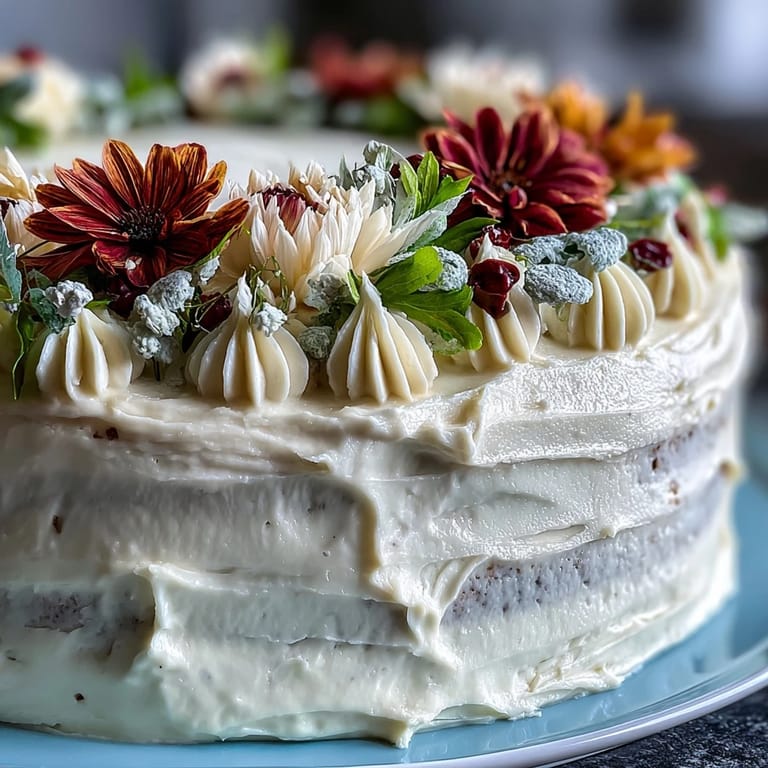
 My cousin's daughter stood in the kitchen doorway wearing her white dress, nervous energy radiating off her as she watched me arrange buttercream flowers across a sheet cake. She'd asked if I could make something special for her First Communion party, something that didn't look store-bought but also wouldn't stress me out. This cake became our answer—tender vanilla sponge, silky buttercream, and piped flowers that look far more impressive than they actually are to create. It's the kind of cake that feels celebratory without demanding perfection, which is exactly what a milestone like this needs.
I still think about how my cousin's daughter helped pipe green leaves onto the sides of the cake, tongue poked out in concentration. She'd never decorated before, and somewhere between the second and third flower, she stopped worrying about mistakes and started laughing at how wobbly some of them looked. By the time we finished, she felt like she'd created something, and that cake tasted better because of it—not because of ingredients, but because she'd had a hand in bringing it to the party.
Ingredients
- All-purpose flour: Two and a half cups creates structure without heaviness, and whisking it with baking powder ensures even leavening throughout the cake.
- Baking powder: Two and a half teaspoons gives you a tender crumb that rises evenly—go lighter if your pan is shallower than standard.
- Salt: Just half a teaspoon, but it's your secret weapon for making the vanilla flavor pop louder than expected.
- Unsalted butter: One cup for the cake, softened to room temperature so it creams properly with sugar and traps air for lift.
- Granulated sugar: Two cups beaten with butter creates the aerated base that keeps this cake light, not dense.
- Eggs: Room temperature eggs blend smoothly into the batter without creating lumps or breaking the emulsion.
- Vanilla extract: A tablespoon of pure vanilla, not the imitation kind, is worth the extra dollar because it's the backbone of this cake's flavor.
- Whole milk: Room temperature milk prevents shocking the batter and helps create a tender crumb that stays moist.
- Buttercream butter: One and a half cups softened—take it from the fridge about an hour before you start, or your frosting will be grainy.
- Powdered sugar: Sift the six cups before measuring, otherwise you'll end up with a grainy, stiff frosting that fights back when you pipe.
- Food coloring: Gel colors make vibrant buttercream without turning it thin like liquid colors do, so your flowers stay crisp and defined.
Tired of Takeout? 🥡
Get 10 meals you can make faster than delivery arrives. Seriously.
One email. No spam. Unsubscribe anytime.
Instructions
- Set yourself up for success:
- Preheat your oven to 350°F while you gather everything, and line that 9x13-inch pan with parchment—it's the difference between a cake that releases easily and one that tears apart when you flip it.
- Build the dry foundation:
- Whisk flour, baking powder, and salt together in a medium bowl, making sure you break up any clumps hiding in the corners where the whisk doesn't always reach.
- Cream butter and sugar until cloud-like:
- This three-minute beat is crucial—you're aerating the mixture so the eggs have space to incorporate, creating lift without relying only on baking powder. Stop when it looks pale and fluffy, like you could practically float something on top.
- Add eggs one at a time:
- Crack each egg into a small bowl first so you never end up with shell in your batter, then let the mixer run for about 30 seconds after each addition so it fully incorporates before the next one arrives.
- Weave in flour and milk:
- Start with a third of the flour, let it just barely combine, then add a third of the milk, then another flour portion—this alternating pattern keeps you from overworking the batter, which makes the cake tough. End with flour so it's fully coated.
- Pour and smooth:
- The batter should flow like thick pancake batter into the pan; if it's too thick, you've overworked it (and there's nothing to fix except knowing for next time). Smooth the top gently so it bakes evenly.
- Bake until the toothpick test whispers yes:
- Watch for golden edges around 28 minutes, then insert a toothpick into the absolute center—it should come out with just a few moist crumbs, not wet batter and not completely dry. Every oven is different, so trust what you see, not just the timer.
- Cool with patience:
- Leave it in the pan for ten minutes so it sets enough to handle, then flip it onto a wire rack where air can circulate underneath. This prevents the bottom from staying warm and steaming, which would make the crumb soggy.
- Build your buttercream base:
- Beat softened butter alone for a minute until it's pale and creamy, then gradually add sifted powdered sugar—dump it all in at once and your mixer will send a cloud of sugar everywhere.
- Thin to pipeable perfection:
- Alternate milk and more sugar so you reach a consistency that spreads smoothly but still holds a shape when piped; too stiff and flowers look rushed, too soft and they melt into blobs.
- Color with intention:
- Divide buttercream into small bowls and add gel coloring drop by drop—it's easier to make it darker than to lighten it back up. Mix thoroughly so the color is even.
- Frost the base layer:
- Spread plain buttercream across the cooled cake in an even layer, using a simple spatula technique where you let the spatula do the work rather than fighting the frosting.
- Pipe flowers like you've done it before:
- Fill piping bags fitted with flower tips, hold the bag perpendicular to the cake, and pipe in a circular motion—it doesn't matter if they look wild, that's what makes them charming. Focus flowers on corners and edges where they naturally frame the cake.
- Add finishing touches:
- If you're piping a cross or text for the occasion, use a small round tip and steady your hand, or embrace the happy accident if it tilts.
 Save to Pinterest
 After the party, my cousin texted me a photo of the empty cake plate with a fork sitting lonely in the center. Her daughter had carried slices around to every guest, proudly explaining that she'd decorated the flowers herself, and somewhere between the vanilla and buttercream, people heard the pride in her voice more than they tasted the cake. That's the real magic of a cake like this—it becomes part of a moment rather than the whole moment.
Make-Ahead and Storage Magic
The best part of this cake is how forgiving it is with timing. You can bake it a full day ahead and store it covered on the counter where it'll stay moist, actually improving slightly as flavors meld. The buttercream can be made the morning of, even the day before if you keep it covered in the fridge and let it come back to room temperature before piping. This flexibility means you're not stuck baking at midnight before a morning celebration—you can spread the work across a few calm afternoons.
Flavor Variations Worth Exploring
While vanilla is classic for a reason, I've experimented with adding half a teaspoon of almond extract to the cake batter, which adds a subtle sophistication that nobody can quite name but everyone notices. Lemon zest in the buttercream pairs beautifully if you want something brighter, and a few drops of almond extract mixed in creates almost a marzipan flavor that's distinctly elegant. Even small shifts make the cake feel like you've discovered something special rather than followed instructions, which changes how people experience it.
Decorating Without Stress
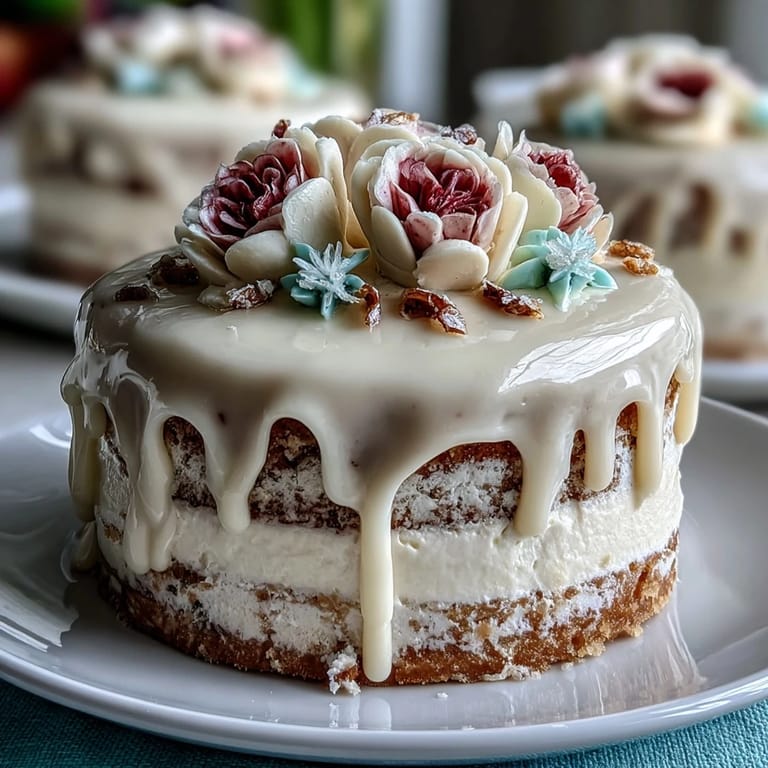
The truth is, piped flowers on buttercream are forgiving because imperfection reads as charm. My first attempts looked messy, but once they were all together, the asymmetry made the cake look handmade and thoughtful rather than stiff and commercial. Practice on a piece of parchment paper before you pipe on the actual cake if you're nervous, or just dive in knowing that wobbly flowers tell a story of a cake made with care.
- Gel food coloring creates vibrant colors without thinning the buttercream like liquid food coloring does, so your flowers stay structured and defined.
- If you mess up a flower or two, use a small offset spatula to gently smooth it away and pipe over it—nobody will ever know you started over.
- A simple cross or the recipient's name piped on top in a contrasting color adds personal meaning without requiring fancy techniques.
 Save to Pinterest
 This cake exists in that sweet spot where celebration feels achievable—it tastes special and looks impressive, but doesn't demand the kind of baking expertise that makes home cooks hesitate. Every time you make it, you're giving someone a moment they'll remember, which is the whole point of baking in the first place.
Recipe Questions
- → What flour type is best for this cake?
All-purpose flour is recommended for a tender yet sturdy crumb in this sheet cake.
- → How do I achieve smooth buttercream texture?
Beat softened unsalted butter until creamy, then gradually add sifted powdered sugar and milk, beating thoroughly for a smooth, fluffy finish.
- → Can I tint the buttercream with natural colors?
Yes, you can use natural food colorings, but gel colors are preferred for vibrant and stable shades without altering texture.
- → What is the ideal baking temperature and time?
Bake the cake at 350°F (175°C) for about 28-32 minutes until a toothpick inserted in the center comes out clean.
- → How should the cake be stored before serving?
Store covered at room temperature if serving within a day, or refrigerate to extend freshness, allowing buttercream to soften before serving.